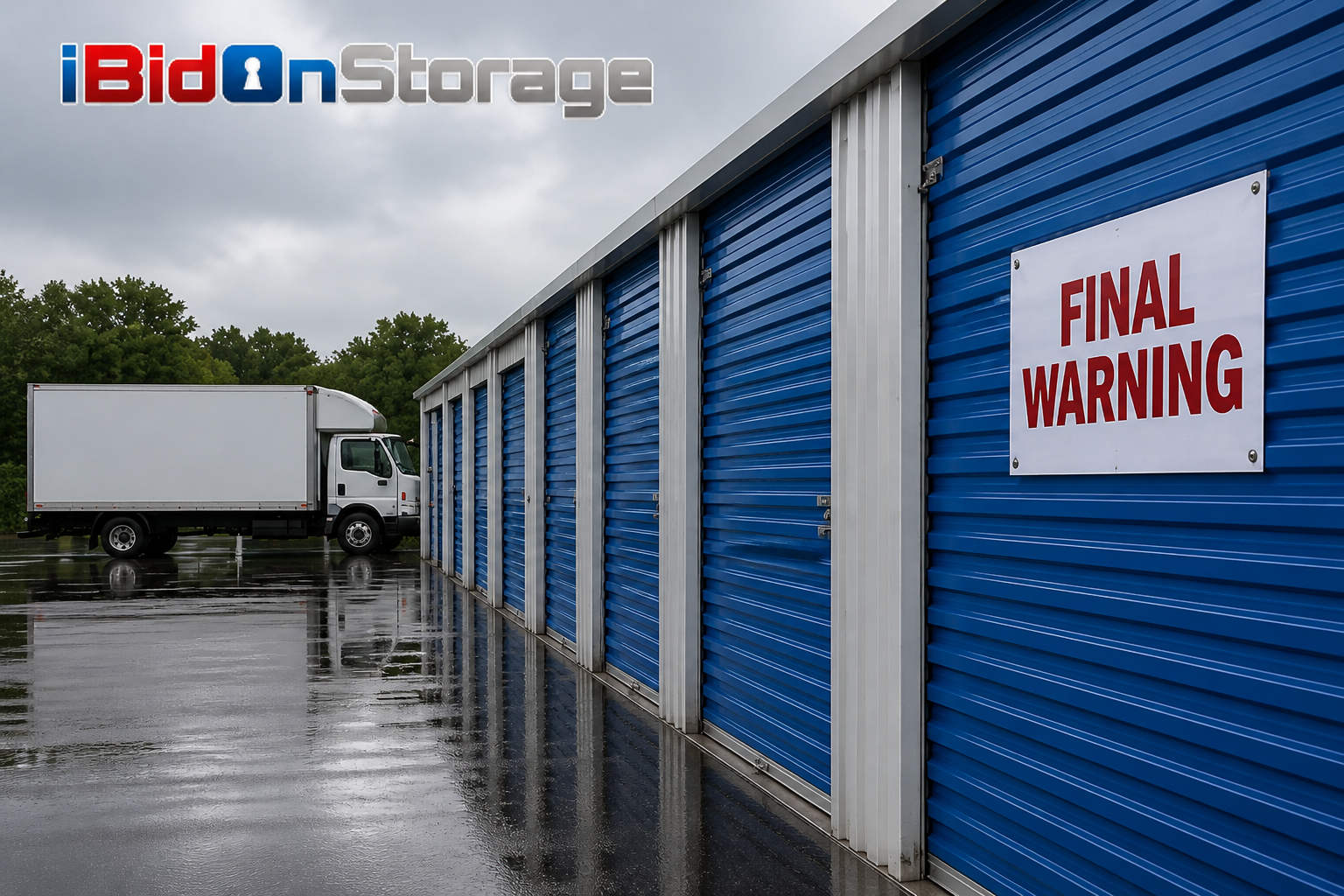
Are Online Storage Auctions Legal for Sellers in the UK?
YES -Online storage auctions are legal and endorsed by the UK Self Storage Association (SSAUK). Storage operators should follow the guidelines as described by the SSAUK and sell abandoned goods based on the recommended legal contract. This contract gives sellers the right to sell, and it follows the required process.
When a customer stops paying or leaves contents behind in a storage unit, the storage company is still paying to maintain the facility and losing space it could rent to someone else. That is why many storage agreements include a lien over stored goods and include clear default procedures if fees remain unpaid.
If this happens in your facility, make sure you do an inventory before selling or disposing of goods. There is no statutory or case law requirement to prepare a full inventory or to open and inspect every box, bag or container. A basic, high-level inventory or description satisfies the minimum legal requirement, and more detailed inventories are a matter of operational or commercial choice rather than legal obligation.
Categories of goods: Sort goods and handle them as follows:
• Illegal goods: Report them to the Police or Trading Standards.
• Environmentally harmful goods: Dispose of them legally and safely. Contact the Association about hazardous materials.
• Sensitive papers: These can normally be recycled. For units holding mainly medical, legal or financial records, contact the Association, as the relevant professional body may help or even pay the arrears.
• Personal items: There’s no legal duty to keep them, but returning them or holding them for 12–24 months reduces the risk of bad publicity and challenges.
• Goods belonging to someone else: If there’s reasonable notice of this, such as rental stickers or a finance company letter, don’t sell them.
Selling the goods can be a reasonable way to recover money owed and make the unit available again. The operator must give the customer proper notice and follow the process that applies.
When can stored goods be sold?
A sale may be considered when fees have not been paid, the storage agreement has ended, or goods have not been collected as agreed. The operator should check the customer’s contract and the circumstances before going ahead.
The right to sell is not automatic. But where the agreement and applicable law provide for it, a customer cannot simply leave goods in a unit indefinitely while the operator continues to carry the cost.
What notice should be given?
The operator should notify the customer in writing and explain what is happening. The notice should identify the goods, state the amount owed and give the proposed sale date.
The customer should have the chance to contact the facility, pay what is due or arrange to collect the goods before the sale. The required notice period depends on the agreement and the legal process that applies. Where that period must be at least three months, the operator must allow the full three months before selling.
Why does the process matter?
Following the correct process protects both sides. The customer knows what is owed and has a fair opportunity to act. The operator has a clear record of the notices sent and the steps taken before the sale.
If the goods are sold, the operator should keep records and deal with the sale proceeds in line with the contract and applicable requirements.
A practical way to recover space and costs
Storage operators cannot be expected to keep unpaid units occupied forever. When a contract and the law allow a sale, and the required notice has been given, selling the stored goods can help recover outstanding costs and return the space to use. The safest and most efficient way to sell abandoned goods is to use websites like iBidOnStorage. iBidOnStorage is the largest and number one storage auction website in the UK, with most of the UK’s leading storage operators choosing to sell their goods on their platform: https://www.ibidonstorage.co.uk/
The key is to follow the process that applies to the specific agreement and situation.